Home » Police » Can You Refuse to Unlock Your Phone for Police in Victoria?
Can You Refuse to Unlock Your Phone for Police in Victoria?
Updated October 9, 2026
Written by Bill Doogue
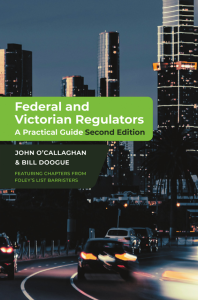
Bill Doogue is recognised by Doyle's Guide as one of the 5 pre-eminent Criminal Defence Lawyers in Victoria (2026), and also as one of the 5 pre-eminent lawyers in Australia for white collar and regulatory cases (2026) . An Accredited Criminal Law Specialist since 1998 with over 30 years' experience, he acts in major tax fraud, white collar crime, bribery, corruption, extradition, and transnational criminal matters. In 2026, Bill was further recognised in the 19th edition of The Best Lawyers in Australia™ for Criminal Defence. He is co-author of Federal and Victorian Regulators: A Practical Guide (2nd ed, 2026) .
Being asked to unlock your phone by a police officer can be stressful, especially if you don’t know the consequences of refusing. In Victoria, police have the power to search and seize electronic devices if they reasonably suspect someone has illegal drugs, explosives, graffiti items, or dangerous guns, weapons like knives, and imitation guns.
However, those powers do not automatically mean officers can access everything stored on an individual’s phone at will. The legal position depends on whether police have a court order, whether they have arrested someone, the circumstances of the investigation, and the type of information they seek.
Voluntarily sharing your password differs from being legally required to provide information. If you are facing a police investigation, what you do after the police ask for access matters. For that reason, it’s important to understand whether you must unlock your phone, what police can do without your consent, and the consequences of refusing.
Do You Have to Unlock Your Phone for Police in Victoria?
Whether you have to unlock your phone for Victoria Police depends on what legal authority is being used to obtain access. A police officer asking you to unlock your phone does not, by itself, imply that you are legally required to give access.
However, the position can be different where police have a warrant, court order, or specific statutory power that authorises them to access electronic information. If police lawfully arrest you, they can request that you unlock your phone when they believe it holds evidence related to the offence or risks being lost or destroyed.
Therefore, it is necessary to establish the scope of that authority. It may permit an officer to seize a device, search its contents, obtain specific information, or seek assistance in accessing information. If a police officer asks you to unlock your phone during an investigation, you can ask what legal power they are relying on and, if circumstances permit, request to speak to a lawyer before responding.
You should also avoid assuming that refusing to consent will have no consequences, especially where police have a specific power that requires compliance.
When Police Ask for Your PIN or Password
It’s not legally required to hand over your PIN or password when Victoria Police ask you during routine interactions. Seizing your device during an arrest doesn’t automatically mean you must share your PIN or password. Even if they ask for the PIN or password, first find out whether the request is voluntary or legally necessary.
However, authorities may compel you to provide your PIN or password if they have a formal judicial order or specific warrant provisions. Refusing a court-backed order can result in serious criminal penalties. If you are unsure whether to share access, politely say you want to speak to a lawyer. Note officers’ names, station, and time to record details.
When Police Have a Warrant or Court Order
In Victoria, if a police officer has a lawful search warrant or court order, you must unlock your phone or provide your password. Under Victorian legislation, such as the Crimes Act 1958 (Vic), a valid warrant or assistance order legally directs you to provide your PIN, password, or biometric access.
Refusing or failing to comply with a valid legal direction to unlock your phone is a criminal offence. Under section 465AAA(7), a person is not excused from complying on the ground that it may result in self-incrimination. Lawful warrant data can serve as evidence in court, but the judge may challenge or exclude data obtained improperly.
When Can Victoria Police Search or Seize Your Phone?
Victoria Police may search or seize your phone where they have legal authority to do so. That could include acting under a valid search warrant or during an investigation. Under provisions like section 465AAA or section 465AA of the Crimes Act 1958 (Vic), a warrant issued by a magistrate authorises police to seize and examine electronic devices relevant to an alleged offence. This warrant can authorise officers to access, copy, analyse, and convert electronic information into readable form.
If officers do not have a warrant, they may use other lawful powers based on the circumstances. For example, during an arrest, a police officer can seize a phone if they reasonably believe that key evidence on your device could be lost, destroyed, or tampered with. Importantly, the warrant may also list the type of information that can be obtained, including messages, photographs, applications, or account information, the device covered, and the manner in which the search will be conducted.
Scenario
Can Police Search/Seize Your Phone?
Legal Basis
Routine interaction, no warrant
No; voluntary consent only
General law
Valid search warrant issued
Yes; may seize and examine device
Crimes Act 1958 (Vic), s 465
Warrant with direction to assist
Yes; can direct you to provide PIN/password
Crimes Act 1958 (Vic), s 465AAA
Court order for assistance
Yes; must comply with reasonable directions
Crimes Act 1958 (Vic), s 465AA
Arrest with risk of evidence loss
Yes; may seize to preserve evidence
Common law and statutory powers
Commonwealth offence with order
Yes; must comply with assistance order
Crimes Act 1914 (Cth), s 3LA
Can Police Force You to Provide Your Phone Password?
Police do not automatically have the right to force you to disclose your phone password just because they are investigating a case. Compelled access requires legal permission or an order. This matters because a password differs from a physical device. Police may lawfully possess your phone, but they cannot force you to share your password or access information without separate legal authorisation.
When legislation permits an access or assistance order, it may impose certain restrictions on the person receiving it. These powers mostly arise in serious investigations, including Commonwealth offences, where authorities get additional powers from specialised legislation to access electronic information. However, the rules are complex. The precise requirements, safeguards, and consequences depend on the legal power being used. Seek legal advice to decide how to respond to a request for your phone password.
What Happens If You Refuse to Comply?
Failing to comply with a lawful, enforceable order is a separate offence under the legislation that created it. The consequences generally depend on whether the police official made a lawful, enforceable demand for access. If a request is voluntary, refusing does not create additional problems because you declined to co-operate.
However, a valid law or court order requires you to provide assistance, and non-compliance can have serious consequences. The maximum penalties differ depending on which provision applies:
Provision
Type of Authority
Maximum Penalty for Non-Compliance
Section 465AAA, Crimes Act 1958 (Vic)
Police direction under warrant
2 years’ imprisonment
Section 465AA, Crimes Act 1958 (Vic)
Magistrates’ Court order
5 years’ imprisonment
Section 3LA, Crimes Act 1914 (Cth)
Magistrate’s assistance order
5 years’ imprisonment (or 10 years for serious offences)
Police may document your refusal and preserve the device while seeking further authority to access its files.
What About Face ID and Fingerprint Unlocking?
Using Face ID or a fingerprint to unlock a phone can create separate legal issues from providing a PIN or password. Police officers may seek biometric access to examine data stored on a seized phone, but only under a specific order. If a Commonwealth offence is involved, police may request an assistance order under section 3LA of the Crimes Act 1914 (Cth) in connection with a valid search warrant. This order requires you to assist in accessing data on your device.
Failing to comply with a lawful order can result in criminal charges and even imprisonment. If someone requests biometric access, ask them to show legal authority. Remember, the rules for passwords and PINs apply to biometric unlocking in the same way.
Can Evidence From Your Phone Be Used Against You?
Yes, evidence obtained from your phone can potentially be used in a criminal proceeding if police obtained it lawfully and there’s relevance to an alleged offence. This may include
Emails and messages
Photographs
Call records
Location information
Documents and other digital material
However, how the police obtained, preserved, and handled the material plays a key role. Sometimes, questions arise about whether authorities exceeded their lawful power, breached a warrant’s conditions, or improperly collected evidence. If evidence was obtained through unlawful means or without proper consent, the court may consider whether to admit it. The outcome ultimately depends on the applicable Victorian evidence law and the circumstances.
What Should You Do If Police Ask You to Unlock Your Phone?
You are not legally required to unlock your phone or provide your password to Victoria Police unless they have a warrant or a specific court order. If they ask you to unlock your device:
Stay calm and don’t comply just because they asked to look at your phone.
Calmly ask whether you are under arrest or whether they have a specific warrant or court order compelling you to share the passcode.
If there’s no legal compulsion, politely state that you do not consent to a search of your device.
Avoid guesswork with your rights or arguing with police at the scene.
Contact a qualified criminal defence lawyer at the earliest if you are being pressured without clear documentation.
Do not delete files, photographs, or other details, reset the phone, or otherwise interfere with potential evidence. This could lead to additional legal challenges.
Frequently Asked Questions
Can I Refuse to Give Police My Phone PIN in Victoria?
Yes, in Victoria, you are not legally bound to give your phone PIN or password during routine requests or regular criminal investigations. You can refuse calmly by saying you do not consent and want to speak to a lawyer. However, certain federal or specialised counter-terrorism laws may require you to provide your passcode or PIN.
Can Police Take My Phone Without a Warrant?
Victoria Police can take your phone without a warrant if:
They have reasonable grounds to believe it contains evidence related to an offence that needs to be preserved from destruction.
You voluntarily hand over the device.
High-risk or emergency situations involving certain terrorism or weapon searches, or immediate danger, where legislation grants warrantless seizure powers.
Can Police Search My Phone After Arresting Me?
No, police do not get the automatic right to search your phone and scroll through your messages, view your photos, or read your emails without a valid search warrant or your consent. Officials are allowed to physically take your phone and keep it safely during an arrest to prevent destruction or wiping of evidence.
What Happens If I Refuse to Unlock My Phone?
Although police cannot force you to unlock your phone or share your PIN, password, or biometric access, you cannot refuse when a lawful search warrant or court order requires access. Refusing to comply is treated as a separate criminal offence with a penalty of up to 2 years’ imprisonment under section 465AAA or up to 5 years’ imprisonment under section 465AA of the Crimes Act 1958 (Vic).
Get Legal Advice About Police Phone Searches in Victoria
Police accessing your phone without a legal order can raise questions about your legal rights and the use of digital evidence. If you are unsure how to handle the legalities of police phone searches, speak with criminal lawyers promptly. They can review your situation, identify the legal powers involved, and guide you on the right next step.
LEGAL DISCLAIMER
“This content is for informational purposes only and should not be considered legal advice. Please consult a qualified criminal defence lawyer before making any decisions regarding your matter”